



Renovating a bathroom isn’t just about tiles and tapware. Before any bathroom renovation contractors start demolition, the plumbing behind the walls needs a proper assessment. Get this wrong, and you’re looking at leaks, compliance issues, or a redo within a few years.
Why Plumbing Planning Matters Before a Bathroom Remodel?
Why should plumbing be the first thing I plan, not the last?
Because pipework, drainage and waterproofing determine what’s physically possible in your layout, and retrofitting plumbing after tiling is finished costs far more than planning it upfront. A bathroom remodel in Central Coast home should always start with a plumbing assessment, not a Pinterest board.
Key Plumbing Checks Before You Start
A thorough bathroom plumbing installation plan should cover:
- Pipe condition – old galvanised or copper pipes may need full replacement
- Drainage and venting – poor falls cause slow drains and odour
- Water pressure – check it can support rain showers or dual vanities
- Hot water system capacity – especially if adding a second bathroom
- Waterproofing compliance – must meet AS/NZS 3500 standards
- Fixture relocation feasibility – moving a toilet or shower may need new stack points
Moving Fixtures: What It Really Involves?
Can I move my toilet or shower to a new spot?
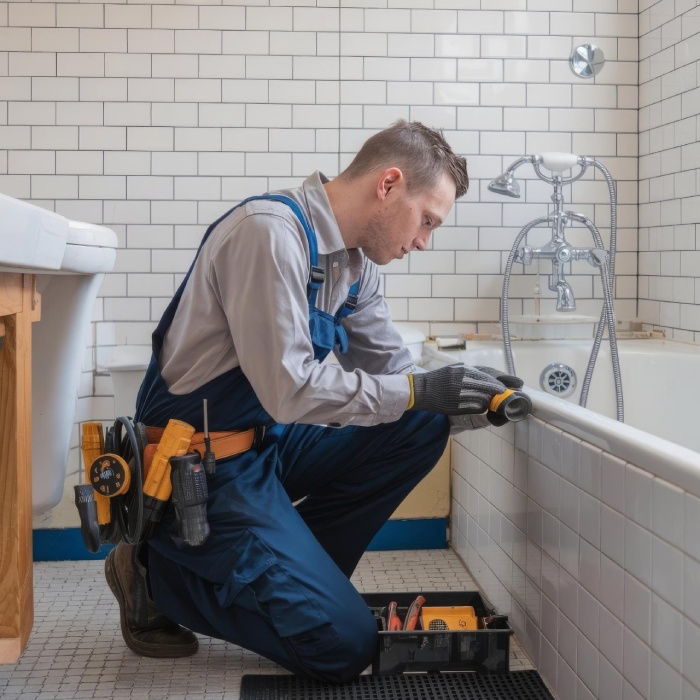
Yes, but relocating fixtures usually means new drainage runs, altered floor waste points, and sometimes raising the floor height, so it’s a job for a licensed plumber in Central Coast, not a tiler. Bathroom layout changes involving plumbing relocation should always be quoted and inspected before demolition begins.
Working With the Right Trades
Do I need a separate plumber and builder, or one team?
Either works, but the plumbing scope must be locked in early regardless of who manages the job, which is why many homeowners book plumbing services in Central Coast directly rather than relying solely on a general contractor. A dedicated bathroom renovation plumber in Central Coast understands wet-area compliance far better than a generalist trade.
Compliance and Waterproofing
What happens if waterproofing isn’t compliant?
Non-compliant waterproofing can void insurance, fail a building inspection, and lead to structural water damage inside walls or ceilings below. Bathroom renovations in Central Coast properties, particularly older homes, often require re-waterproofing the entire wet area, not just patching.
Comparing Plumbing Scope by Renovation Type
| Renovation Type | Plumbing Scope | Typical Timeframe |
| Cosmetic update (same layout) | Minimal – tapware, outlets | 1–3 days |
| Partial reconfiguration | Moderate – some pipe relocation | 4–7 days |
| Full layout change | Extensive – new drainage, stack points | 7–14 days |
Hiring Locally: Why It Matters
Is it better to hire a local plumber than a general tradesperson?
Yes, a local plumber in Central Coast will already understand council requirements, common pipe materials used in the area’s housing stock, and regional water pressure quirks. A residential plumber in Central Coast is also better placed to respond quickly if something goes wrong mid-renovation.
If you’re across the water catchment border, the same logic applies. A plumber in Lake Macquarie will know local drainage and soil conditions that differ from Central Coast suburbs, which can affect pipe laying and stormwater connection points.

Budgeting for Plumbing in a Bathroom Renovation
Rough costs to factor in before signing a renovation contract:
- Cost to replumb a bathroom: varies significantly depending on wall vs floor layout changes
- Re-waterproofing: required whenever fixtures move, or tiles are fully removed
- New mixer valves or rough-in fittings: often needed for modern tapware
- Floor waste repositioning: adds to both plumbing and tiling labour
Ready to Start Your Bathroom Renovation the Right Way?
Don’t let plumbing be an afterthought. Book a free on-site assessment with our licensed local team at Beyond Plumbing Contracts today, and get your renovation plumbing sorted before the first tile is laid. Call now or request a quote online by dialling 435832032 to lock in your preferred renovation date.
Frequently Asked Questions
- How long does bathroom plumbing rough-in usually take?
Typically one to three days, depending on how much of the layout is changing. - Do I need council approval for bathroom plumbing work?
Most structural plumbing changes require council or compliance certificates, so check before starting. - Can old pipes be reused in a renovation?
Only if they pass inspection; many renovators replace ageing pipework to avoid future leaks. - What’s the biggest plumbing mistake in bathroom renovations?
Finalising tile and vanity choices before confirming pipe and drainage positions. - How do I know if my hot water system needs upgrading?
If you’re adding fixtures or a second bathroom, get it assessed, as capacity is often the limiting factor.

