



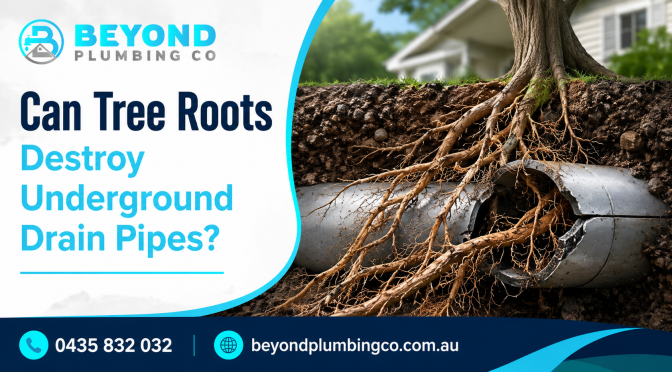
Yes — tree roots are one of the most common causes of blocked drains across Australian properties. Roots are naturally drawn to the moisture and nutrients inside sewer and stormwater pipes, and once they find a tiny crack or joint, they force their way in and expand. This is why so many homes across the region rely on a trusted blocked drain plumber in Central Coast to catch root damage before it turns into a costly pipe replacement.
How Do Tree Roots Get Into Drain Pipes?
Roots enter through existing cracks, loose joints, or ageing pipe seals — not by breaking solid pipe on their own. Once inside, they thicken over time and create a root intrusion blockage that traps waste, grease and debris.
- Older clay or concrete pipes are most vulnerable
- Joints and connection points are the weakest entry spots
- Even a hairline crack is enough for a root to squeeze through
- Root growth accelerates near leaking or moist pipe sections
Warning Signs of Root Damage in Your Pipes
Slow-draining sinks, gurgling toilets, and recurring blocked drains are the earliest red flags. If left untreated, these signs progress to full pipe collapse.
| Sign | What It Means |
| Slow or gurgling drains | Early-stage root blockage |
| Bad odours from drains | Trapped waste build-up |
| Soggy or sunken lawn patches | Possible pipe leak underground |
| Recurring blockages | Ongoing root intrusion in pipes |
| Cracked or lifting pavement | Advanced pipe damage |
Why Are Blocked Drains in Homes So Common?
Many established suburbs across the Coast have mature street trees and ageing sewer infrastructure, a combination that raises the risk of tree root drain damage. This is why blocked drains in Lake Macquarie enquiries spike every spring and summer as root activity increases with warmer soil temperatures.
Can You Prevent Tree Roots From Damaging Pipes?
Yes — regular drain maintenance and early root removal significantly reduce the risk of major pipe damage.
- Book a CCTV drain camera inspection every 12–24 months
- Avoid planting trees within 3 metres of sewer lines
- Use root-inhibiting treatments recommended by a licensed plumber
- Fix minor pipe cracks immediately, before roots find them
- Schedule routine drain cleaning to remove early root growth
What Happens If Roots Are Left Untreated?
Untreated roots keep expanding inside the pipe until they crack it completely, leading to sewage backflow, ground subsidence, or a full underground pipe repair job. At this stage, it’s not a DIY fix — you need a professional emergency drain plumber who can assess the damage safely and stop it spreading further.
How Do Plumbers Fix Root-Damaged Pipes?
Plumbers typically use camera inspection to locate the damage, then choose the least invasive repair method available.
- Drain jetting — blasts roots and debris out using high-pressure water
- Root cutting — mechanically clears roots without full excavation
- Pipe relining — seals cracks from the inside, avoiding major digging
- Pipe replacement — used only for severely collapsed sections
When Should You Call an Emergency Drain Plumber?
Call immediately if you notice sewage overflow, a sudden foul smell, or water pooling in your yard, as these signal a serious blockage or pipe failure. An emergency drain plumber can respond quickly to stop damage from worsening overnight.
Don’t Let Tree Roots Win — Get It Sorted Today
Root damage only gets more expensive the longer it’s ignored. If you’re noticing slow drains, bad smells, or soggy patches in your yard, don’t wait for a full pipe collapse. Contact your local blocked drain plumber in Central Coast like Beyond Plumbing Contracts for a fast camera inspection and honest, upfront advice — because a same-day fix now is always cheaper than an emergency dig-up later.
Book your inspection now and keep your pipes root-free all year round.
Frequently Asked Questions
1. Can tree roots really break underground pipes?
Yes, roots exploit existing cracks and joints, then expand until the pipe fractures or collapses.
2. How do I know if roots are blocking my drain?
Slow drainage, gurgling sounds, and recurring blockages are the clearest early signs.
3. Is pipe relining better than full replacement?
Relining is usually cheaper and less invasive, but severely collapsed pipes may still need full replacement.
4. How often should I get a drain camera inspection?
Most Central Coast homes benefit from an inspection every 12 to 24 months, especially near mature trees.
5. What should I do if my drain overflows suddenly?
Turn off water use immediately and call an emergency drain plumber to prevent further damage.

